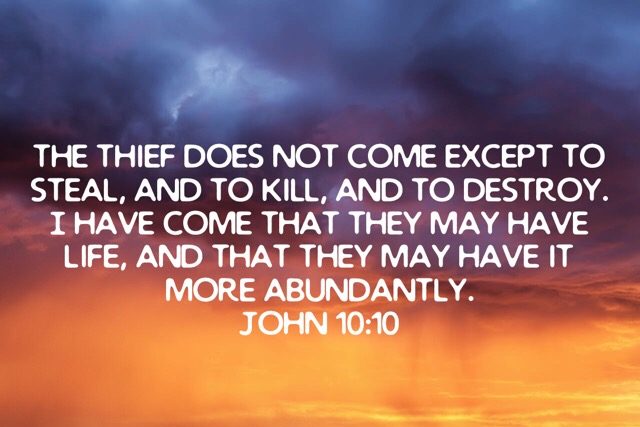

Are you worried, anxious, or depressed? God wants you healed. Are you brokenhearted? God wants you healed. Are you emotionally wounded by past hurts and unresolved issues or relationships? God wants you healed.
Today, we’re going to explore how we can heal our wounded souls (Mind, will, emotions) so that we can walk in freedom and in the fullness of everything Jesus Christ gave us through His sacrifice, death, resurrection, and ascension to the right hand of the Father, where we are seated with Him because we are in Christ. Jesus died so that we could be made whole.
Beloved, I pray that you may prosper in all things and be in health, just as your soul prospers. 3 John 2
Inner healing involves healing the soul’s wounds and closing the door to the enemy through which he entered via trauma, sin, or the sin of others, which can impact the healing we need physically, mentally, emotionally, relationally, financially, and so on. We must deal with these soul wounds and kick out any demonic forces at work so healing can manifest.[1]
Inner healing is a process and a journey (Deuteronomy 7:17-23). We will get deeper and complete healing through the process as we allow God to resolve things in our hearts and souls. Even though everyone has their own pace and processes things differently, there is grace, love, and covering while we walk through our inner healing. We must allow the Holy Spirit to lead us and give us courage.
Our goal for inner healing is to have a closer relationship with God, to have a whole heart, and to walk in the freedom that Christ died to give us.
Jesus begins our healing and deliverance when we receive Him as our Savior, and He guides us through it daily as we allow Him to do so.
We need to believe in what Jesus has done through the cross and cooperate with the Spirit of God if we’re going to experience healing and deliverance. It is the Holy Spirit who brings the legal work of Jesus into reality and application in our lives.
There’s a difference between what is legally and experientially ours. Our adversary, the devil, tries to keep us from what is legally ours. Not every born-again believer has appropriated what Christ redeemed for us. What Jesus did on the cross must be received by faith and acted upon, just like when we believed and acted on the promise of Romans 10:9-10 for salvation, and God fulfilled it. We must appropriate all the benefits of the cross by faith and apply them to our needs.
One of the reasons we sometimes don’t receive everything Jesus died for us to have is that we don’t know how to cooperate with the Spirit of God. So, the more we can come into an agreement with and yield ourselves to God’s Spirit, the more we can receive from the fullness of what He has for us.
Our transformation began with the miracle of a new creation and a new heart (2 Corinthians 5:17; Ezekiel 36:26). And our journey continues with the Holy Spirit revealing the Father’s heart, love, and mercy. The Father’s love meets all our needs. Christ’s finished work on the cross guarantees healing and deliverance, but it is not necessarily automatic. It is a part of our triune sanctification (spirit, soul, and body), as we are declared and being made holy (1 Thessalonians 5:23).
Sanctification is an ongoing process we must walk out daily (Philippians 2:12-13). We must renew and cleanse our minds by meditating on the Word of God, living and walking in the light and the Spirit, not in the flesh, but being filled with the Holy Spirit, and obeying and yielding to Him (Joshua 1:8; Romans 12:2; Ephesians 5:26; Luke 24:32; Galatians 5:25).
The spirit of the born-again believer is joined (fused) with the Holy Spirit of God (Galatians 4:6; 1 Corinthians 3:16; 6:17). But we give the devil an opportunity or place to influence us by living in the flesh rather than the Spirit. Satan will rule in areas of our lives where we have not given Jesus Christ complete control (Galatians 5:16-25).
So, even after salvation, we continue the process of sanctification. Unfortunately, Christians can also come under the influence of evil spirits by opening the door to allow demonic oppression. Therefore, we must address the root cause of this demonic oppression and deal with the strongman and root spirits under it.
We can still have strongholds in our souls (mind, will, and emotions). But Jesus restores our souls (Psalm 23:3; Matthew 11:28-30), and the Spirit of God can restore our lives. According to John 14:26 AMPC, the Holy Spirit is our Comforter, Helper, Advocate, Counselor, Strengthener, Standby, and Intercessor. We all need healing and restoration, which is what inner healing and deliverance are all about! Jesus came to heal and deliver us from the enemy’s oppression (Acts 10:38).
Remember, Satan is the oppressor—Jesus is the Healer and Deliverer!
When we have damaged souls, we form flawed relationships, endeavors, theologies, and ideas. We filter things in life (i.e., our thoughts, words, and experiences) through the lens of our wounds, which distort our perception without our awareness.
Anxiety in a man’s heart causes depression and is the fruit of something we must deal with (Proverbs 12:25). Pain is evidence that something is misplaced. We shut our hearts down when in pain and may not even know it. As a result, we often live with broken hearts, manifesting in various ways. These ways include sadness, depression, discouragement, fear, anxiety, anger, unforgiveness, a critical spirit, bitterness, resentment, and grief. We may also have self-rejection or self-hatred. However, there is good news because Jesus heals the brokenhearted (Luke 4:18)!
The LORD is close to the brokenhearted and saves those who are crushed in spirit. Psalm 34:18 NIV
He heals the brokenhearted and binds up their wounds. Psalm 147:3
A merry heart makes a cheerful countenance, but by sorrow of the heart the spirit is broken. Proverbs 15:13
The Bible often uses the words “heart” and “spirit” interchangeably. The heart or spirit can have emotions that affect our outer actions. Our attitudes, motivations, and character traits come from the heart or inner man (spirit).[2] A wounded heart or spirit is characterized by troubled, sorrowful, oppressed, angry, discouraged, grieved, or hardened emotions. Therefore, heart healing must occur on the heart level, not just in the mind.
Jesus came to heal the brokenhearted and those whose lives are shattered or fractured (Luke 4:18; Psalm 34:18). He came to release us from the adverse effects of our brokenness. Jesus gives us freedom (John 8:36).
Self-Deliverance Decree for the Brokenhearted (To be prayed out loud)
I thank You, Lord Jesus, that You came to heal the brokenhearted! I lift every wound in my heart to You. You are My Healer and Deliverer. Your blood has made me free. I call upon Your healing power, dunamis, right now. I invite You into my heart to heal and deliver me from every pain in my emotions. Your healing power is working in my soul and life right now. I bind, break, and destroy all brokenness. Father, I ask You to fill me with the Holy Spirit and Your love. In Jesus’ name, Amen.
God calls us to wholeheartedness, which is a part of the resurrection work and life of Jesus. Jesus said we should love the LORD our God with all our heart, soul, and mind (Matthew 22:37).
We must live from our spirit, where the Spirit of God dwells in us, even though we still have fleshly desires, because the soul and body have not been born again. Our emotions need healing, and our minds need renewing. The soul remembers and has an emotion attached to it (Lamentations 3:20), which is why we need to renew our minds.
As we meditate on the Word, the soul (mind, will, and emotions) is renewed, healed, and restored, and the body receives physical healing.
Many physical ailments are emotionally based. Physical healing occurs when we become emotionally healed and allow God to govern our emotions, producing in us the fruit of the Spirit (Galatians 5:22-23).
Remember, it is the Word that is alive and powerful and sharper than any two-edged sword that pierces even to the division of soul and spirit, and of joints and marrow, and is a discerner of the thoughts and intents of our hearts (Romans 12:2; 1 Peter 2:24; 3 John 2; Hebrews 4:12).
The enemy sets traps to ensnare us, causing us to be in bondage to a stronghold in our minds, thoughts, and emotions. Some of these traps include trauma, betrayal, rejection, abandonment, bullying, ungodly control, anger, etc. Strongholds can also be established through generational iniquity, also known as a generational curse (Exodus 20:4-6), or through our own sinful actions.
Since we may believe a lie during emotional wounding, which becomes a mental stronghold, we may also need to correct incorrect beliefs and mindsets.
All lies, fears, and strongholds lead to Satan. A stronghold is a fortress of lies that the enemy builds in our minds and emotions. This fortress has walls of lies and towers of exaggeration that hold our thoughts captive.
We may think a negative thought, or a demon may prompt us to think it, but we decide whether to continue thinking it.
For though we walk in the flesh, we do not war according to the flesh. For the weapons of our warfare are not carnal but mighty in God for pulling down strongholds, casting down arguments and every high thing that exalts itself against the knowledge of God, bringing every thought into captivity to the obedience of Christ. 2 Corinthians 10:3-5
When we believe the enemy’s lies, it can open the door to demonic affliction and, if not addressed, can become a stronghold due to a repeated pattern of thought.
Strongholds can impact our personality and physical well-being. For example, there may be fear and anxiety, depression, habitual sin, and doubts limiting us.
To break down strongholds, we must first eliminate the demon by evicting it from our lives. We remove demons by casting them out in the name of Jesus and through His blood, empowered by the Holy Spirit, then filling the void with the Holy Spirit. Even if a demon is cast out, we will still suffer until the stronghold is demolished. Therefore, we must address it, or it will continue to cause pain and stagnation, preventing us from fulfilling our destiny.[3]
Mindsets or patterns of thinking develop over time and can be broken down through the renewal of the mind by replacing Satan’s lies with God’s truth and consistent resistance against the enemy (James 4:7).[4]
When our souls are healed, our minds think the right thoughts, we have godly emotions, and our will makes the right decisions and choices.
Behind every emotional trigger is a wound or trauma that needs healing because we let hurt seep from our souls to our hearts. We don’t necessarily need to remove the memory, but rather the painful sting of it, so that it no longer causes us harm. The Lord brings redemption to it!
Let’s examine how trauma impacts our inner selves. It is reported in Psychology Today that psychological and emotional trauma damages a person’s mind through one or more distressing events, overwhelming the person’s ability to cope and integrate their emotions, causing long-term, severe negative consequences.[5]
Trauma can be from a single event (e.g., an accident, assault, or loss of a job or loved one) or can be complex (multiple, chronic, or overwhelming), relating to interpersonal relationships, family violence, or sexual abuse.[6]
A single-event trauma is the most common that most functioning people can overcome on their own with the help of the Holy Spirit, the Word of God, support from friends, or the help of a trained therapist. In contrast, a complex trauma will also need the help of a trained professional counselor.
Post-traumatic stress disorder (PTSD) is another type of trauma that can begin with a single event or complex trauma but can continue to affect us spiritually, mentally, and physically (e.g., a diagnosis, a betrayal, or any traumatizing thing we see or hear). PTSD brings flashbacks, nightmares, hypervigilance, periods of amnesia, distorted perceptions, etc.[7]
Not every person who goes through trauma will have PTSD, but symptoms can show up instantly or later.[8] It doesn’t just go away. Even if you have forgotten it, you will eventually have to deal with it, or it will deal with you. It needs to be processed and resolved. If the Holy Spirit brings it up, His purpose is to move us forward into our future and bring us to a place of healing and wholeness.
Also, not everyone who experiences trauma will develop symptoms. Some symptoms resolve within a few weeks, while others have more debilitating and lasting effects.[9]
In their article on Emotional and Psychological Trauma, Robinson, Smith, and Siegel report these possible symptoms[10]:
Physical symptoms can include nausea, headaches, dizziness, alteration in sleep and eating patterns or appetite, and gastrointestinal (GI) upsets (chronic issues are related to trauma in your soul).
Psychological symptoms can include PTSD, depression, anxiety, substance abuse problems, and disconnection between thoughts, memories, surroundings, actions, and identity.
Emotional symptoms may encompass sadness, anger, denial, fear, and shame, leading to emotional outbursts, nightmares, insomnia, or relational difficulties.
How do we heal our hurts and wounded souls?
To heal our souls, we must focus on and connect with Jesus. We need to have a vital union and living connection with Him, which can’t be stored up. It’s like the manna the children of Israel received and ate in the wilderness. It must be fresh every day. He wants us to abide in Him (John 15:1-8). He provides us with the power and the life, and we must do our part by choosing to yield to that life by an act of our will.
Is there anything that we have said is off-limits to God the Father? He wants us to let Him love us completely and make us whole. The more of Jesus we have in our lives, the more Christlike we become and the more authority and power we have as we carry His presence and glory. Ask the Holy Spirit to lead and guide you through the Word, allowing you to see more of Jesus. Spend time in prayer and worship, which brings you into His presence. He is inviting us to come closer.
Identifying the causes of our hurt, including our feelings, beliefs, and mindsets, is crucial. Well, we can’t do it ourselves. Therefore, we ask the Holy Spirit to help reveal these things, guide us, and assist us in making the necessary changes. It is the Holy Spirit that reveals truth and enlightens the eyes of our understanding (Ephesians 1:17-18).
Next, we repent, confess, and ask God’s forgiveness for our sins and the sins of our ancestors, and forgive (others, yourself, and God if you have blamed Him). Forgiveness is the starting point for healing our wounded hearts and emotions. Then, apply the blood of Jesus and the power of His resurrection to those soul wounds.
Let’s take a moment to talk about unforgiveness and how important it is to forgive. Unforgiveness can also open the door to demonic affliction and lead to being turned over to and tormented by the enemy—evil spirits and wicked thoughts (Matthew 18:21-35). Unforgiveness causes us to live out of our pain and ungodly beliefs, which limit us and rob us of the abundant life God intends for us by releasing feelings of anxiety, fear, stress, depression, insecurity, etc.
It creates a hardened heart that feels anger, bitterness, hatred, and resentment toward the offender. Unforgiveness can lead to resentment and a root of bitterness that affects our health and healing and poisons all our relationships (Hebrews 12:14-15). We will never fulfill our destiny if we don’t forgive!
Forgiveness doesn’t mean minimizing the offense and pain that someone or something has caused—God isn’t asking you to forget; He wants to heal your heart and emotions.
Forgiveness from the heart may not always be something we can instantly carry out, as it often involves a process as our souls are being healed. However, forgiveness is a choice we can make, and we can ask the Holy Spirit to help us and for God’s grace to enable us to carry it out. God forgives us as we forgive others. Therefore, we forgive so that God will forgive us (Matthew 6:12, 14-15).
We offer forgiveness because God has fully and freely forgiven us. We receive God’s forgiveness completely and don’t have to earn it. God will not punish us or exact revenge when we sin, because He has already punished Jesus (2 Corinthians 5:21). Therefore, we need to believe that God has forgiven us so that we can forgive others (Psalm 103:12; 1 Peter 3:12).
Forgiveness sets us free by releasing that person and situation to God for Him to bring justice. God’s vengeance brings justice to that situation, and God is the only one who is just. Romans 12:19, in the English Standard Version, states: “Beloved, never avenge yourselves, but leave it to the wrath of God, for it is written, ‘Vengeance is mine, I will repay,’ says the Lord.”
There must be no unforgiveness in our lives to walk in the freedom and the abundant life Christ came to give us. We must also forgive ourselves.
A typical prayer might be as follows: “Father, because You have forgiven me, I choose to forgive others. I forgive everyone who has hurt me, lied to me, or disappointed me. I confess unforgiveness as sin and repent of it. I receive Your forgiveness and apply it to my life by forgiving myself. Thank You for Your grace and mercy, in Jesus’ name. Amen.”
If we ask the Holy Spirit to highlight individuals we need to forgive, He will bring them to our mind, and we should pray for them individually.
When we get our soul wounds healed, we will have nothing in common with demons we have opened the door to because of our sin, trauma, or pain, thereby having authority and power over them (John 14:30). We can then command any demonic spirits present to GO in the name of Jesus and close the door to the enemy, followed by asking God to fill us with His Spirit.[11]
Prayer of Repentance, Renunciation, and Filling (To be prayed out loud)
Heavenly Father,
I repent of and renounce all the lies of Satan in my life and every misuse of my body. I ask You to forgive me of my sins and invite You to set me free from every bondage in my life. I renounce (name them) by the blood of Jesus and cancel every claim I have given the enemy against my body and mind. I renounce every form of access to dominion over me that my actions have given him/them, and I close any open doors. Fill me with Your Holy Spirit now, and in every place that evil spirits have left. I want only You to be in control of me and to have only You in my life.
In the name of Jesus, I pray, Amen.
To find out more about how to receive healing from Jesus the Healer, go to Amazon.com to purchase the Kindle or paperback version of my book, Jesus The Healer.
This book will answer questions about healing, eliminate doubts, and boost your faith to receive what Jesus purchased for you. The author takes you on a journey to discover what the Bible says about healing and deliverance and how to receive it from Jesus, the Healer.
As you meditate on these truths, you will discover:
- How to receive your healing
- How to avoid hindrances to healing
- Healing for soul/heart wounds
- Healing through deliverance
- How to steward your healing and deliverance
Healing belongs to you! Receive your healing NOW!
https://amazon.com/dp/B0DKY2C8XK#
Scripture taken from the New King James Version®. Copyright © 1982 by Thomas Nelson. Used by permission. All rights reserved.
Scripture quotations marked (NIV) are taken from the Holy Bible, New International Version®, NIV®. Copyright © 1973, 1978, 1984, 2011 by Biblica, Inc. ™ Used by permission of Zondervan. All rights reserved worldwide. http://www.zondervan.com The “NIV” and “New International Version” are trademarks registered in the United States Patent and Trademark Office by Biblica, Inc. ™
[1] Greg Kurjata and Valerie Kurjata, “Practical Applications of the Courts of Heaven–Healing,” Courts of Heaven, November 20, 2018, https://youtu.be/v8Rk7MB5Vks.
[2] W. E. Vine, Merrill F. Unger, William White, Jr., Vine’s Expository Dictionary of New Testament Words.
[3] Vlad Savchuk, “LeStrange Global Deliverers Live,” (2023).
[4] Savchuk, “LeStrange Global Deliverers Live.”
[5] “Trauma,” Psychology Today, https://www.psychologytoday.com/intl/basics/trauma.
[6] “Trauma,” Psychology Today.
[7] “Post-Traumatic Stress Disorder,” Psychology Today, https://www.psychologytoday.com/us/conditions/post-traumatic-stress-disorder.
[8] “PTSD vs. Trauma,” Hope and Healing Center & Institute, https://hopeandhealingcenter.org/ptsd-vs- trauma/.
[9] Jennifer Eivaz, Inner Healing and Deliverance Handbook (Ada: Chosen Books, 2022).
[10] Lawrence Robinson, Melinda Smith, MA, and Jeanne Segal, PhD, “Emotional and Psychological Trauma,” last updated and reviewed June 6, 2023, https://www.helpguide.org/articles/ptsd-trauma/coping-with-emotional-and-psychological-trauma.htm.
[11] Katie Souza, The Healing Clinics (Maricopa: Expected End Ministries, 2013), three-part CD series.
 Living the Abundant Life